7 Jun 2026
Unified Payment Platforms Enabling Fluid Shifts from Roulette Wheels to Soccer Markets on Mobile Devices
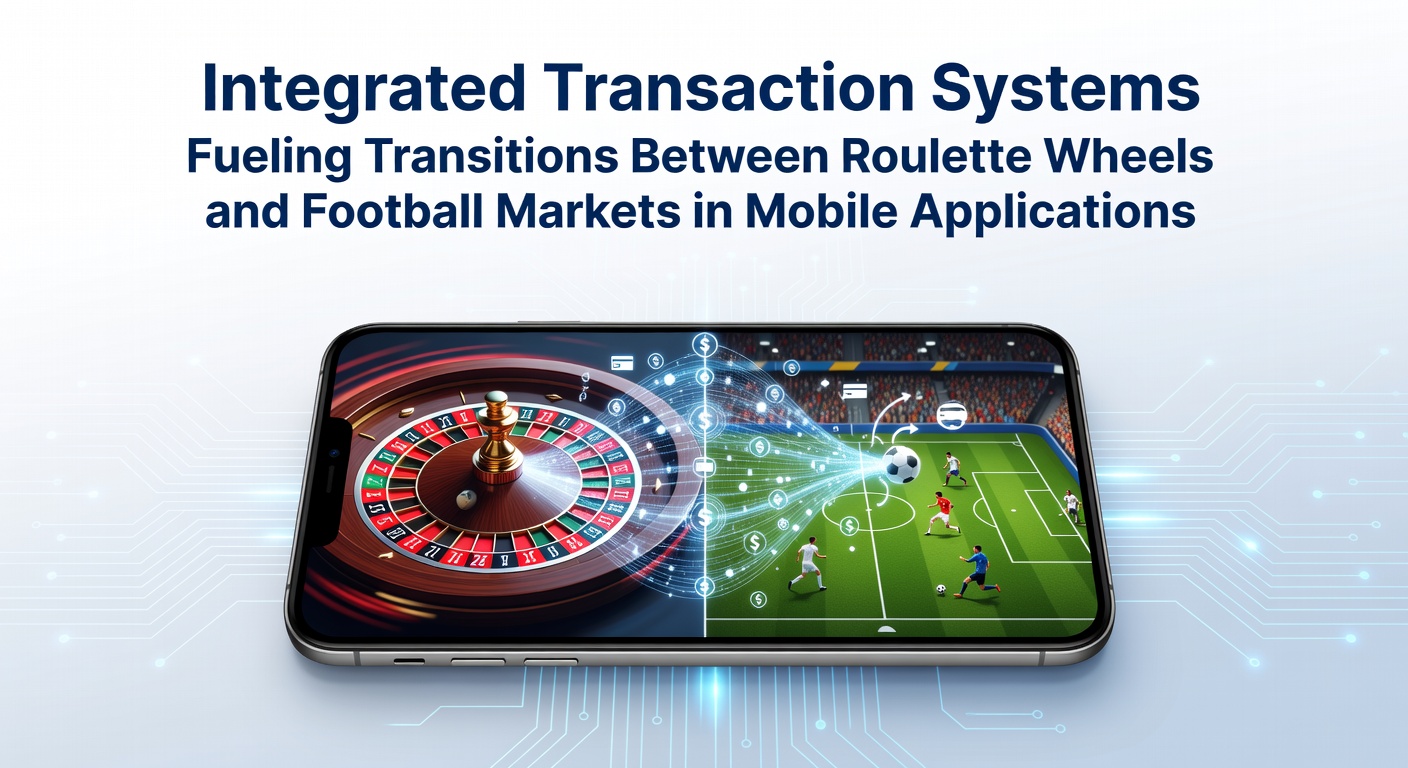 Observers note that integrated transaction systems now form the backbone of many mobile gambling applications, allowing users to move between roulette wheels and football markets without separate funding steps or lengthy verifications. These platforms consolidate deposits, withdrawals, and balance transfers into single interfaces that connect casino tables directly to sportsbooks. Data from industry reports indicates such systems handle millions of micro-transactions daily across global operators, with June 2026 projections showing continued growth in cross-category engagement. Payment processors embed APIs that sync user wallets in real time, so a deposit made during a roulette session remains available for immediate placement on football accumulators. Researchers at academic institutions have documented how these connections reduce friction points that once required users to exit one section of an app and re-enter another. Figures reveal that transaction completion times average under three seconds when systems operate on unified ledgers rather than fragmented ones.
Core Mechanics of Integrated Systems
Transaction engines rely on tokenization and instant settlement protocols that link roulette spin outcomes to football market odds through shared account ledgers. When a player cashes out from a European roulette wheel, the credit updates the same balance used for live soccer in-play bets. This architecture prevents double-funding issues and maintains consistent responsible gaming limits across both verticals.
Experts tracking mobile app performance observe that operators deploy cloud-based reconciliation layers to manage currency conversions and bonus allocations during these transitions. A single deposit can trigger promotional credits that apply to either roulette or football depending on user selection, with the system automatically adjusting wagering requirements. Studies from research institutions confirm these features increase session continuity by keeping users inside one application environment.
Regional Adoption Patterns
North American operators have accelerated deployment following regulatory updates in multiple states, while European and Australian platforms emphasize compliance with local payment directives. The American Gaming Association has published statistics showing integrated wallets now appear in over sixty percent of major mobile offerings, supporting both table games and sports markets. In parallel, data from the European Gaming and Betting Association highlights similar uptake rates driven by mobile-first user bases.
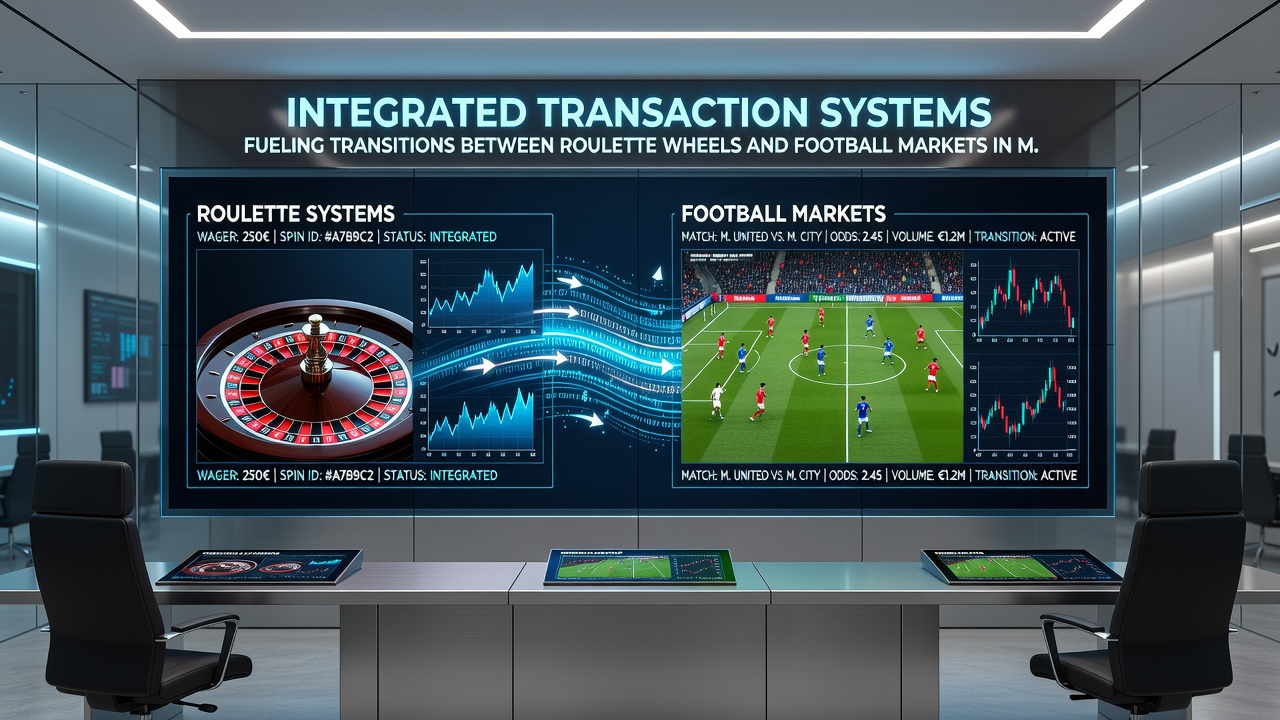
Payment service providers such as those certified under PCI DSS standards supply the encryption layers that protect data during these cross-market movements. Observers note that June 2026 timelines coincide with expected upgrades to faster settlement rails in several jurisdictions, further shortening the interval between a roulette payout and a football stake.
Technical Infrastructure Supporting Transitions
Backend databases maintain real-time synchronization between roulette modules and football market feeds, ensuring odds updates and balance changes reflect instantly across sections. Developers implement event-driven architectures that trigger balance refreshes the moment a spin resolves or a match event occurs. This setup supports features like cash-out options in football that draw directly from roulette winnings without additional authorization loops.
Case examples from large operators demonstrate how these systems incorporate fraud detection algorithms that scan patterns across both game types simultaneously. A sudden shift from small roulette bets to high-stake football markets flags for review using the same risk models applied to table activity. Research papers from university gaming studies departments indicate this unified monitoring reduces false positives compared with siloed detection tools.
Impact on User Behavior and Platform Metrics
Analytics platforms record higher retention when transaction friction drops, as users explore football markets after roulette sessions without leaving the app. Retention data collected through 2025 and into 2026 shows measurable lifts in cross-category play among accounts using integrated wallets. Industry associations tracking these metrics report average increases in total handle per user when seamless movement between verticals becomes standard.
Security protocols remain consistent regardless of the game type selected, with two-factor authentication and biometric checks applied at the wallet level rather than per vertical. This approach aligns with guidance from various regulatory bodies outside the UK framework, including those in Canada and parts of Asia that emphasize centralized player protection measures.
Future Developments Expected by Mid-2026
Developers continue refining interoperability standards that would allow even tighter connections between roulette outcomes and football prop bets. Pilot programs already test instant micro-settlements that credit winnings within milliseconds, enabling rapid cycling between table results and live match markets. Trade group publications project wider rollout of these capabilities by June 2026 as infrastructure investments mature.
Conclusion
Integrated transaction systems have established themselves as essential components in mobile applications that host both roulette and football offerings. Their ability to maintain single ledgers, apply unified controls, and support rapid movement between categories continues to shape platform design. Data collected through mid-2026 will likely clarify the extent of further efficiency gains as settlement technologies advance and regional regulations evolve.