Sequence Alignment Between Playing Cards and Reel Rotations Fuels Progressive Bonus Architectures in Unified Gaming Systems
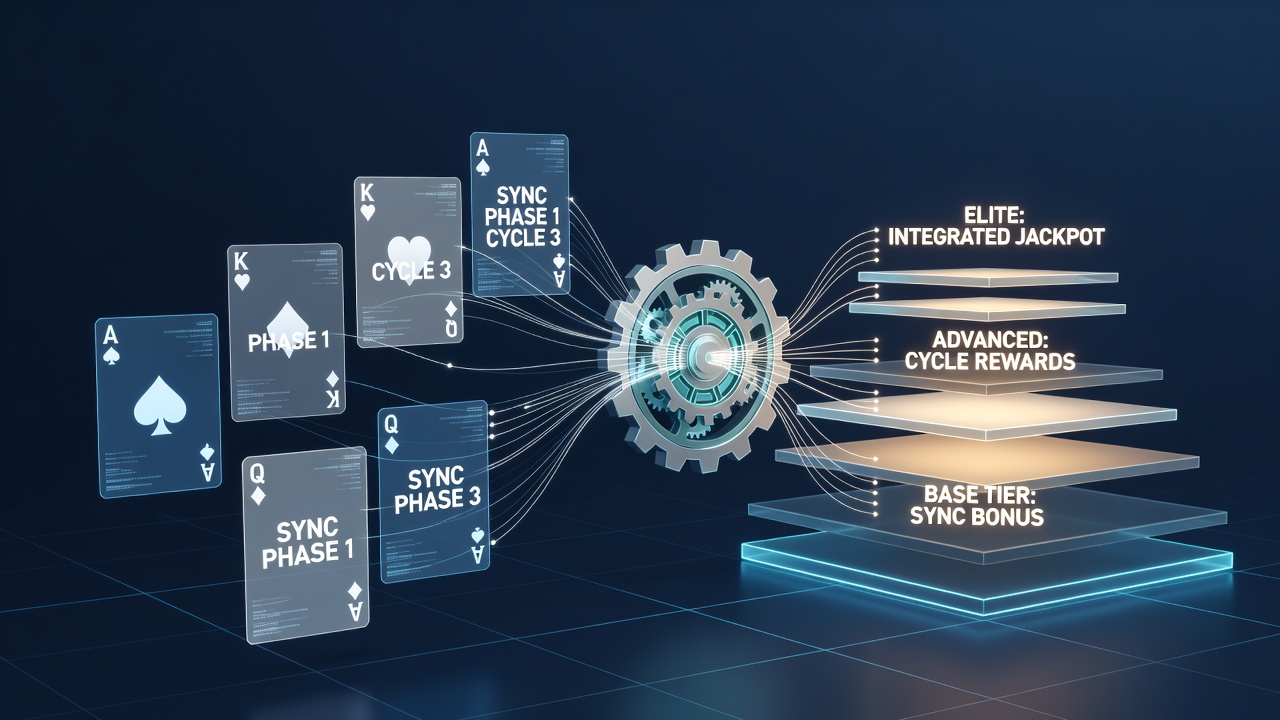 Platform developers continue to refine how sequences drawn from card-based games align with the mechanical timing of reel spins. This coordination allows reward layers to advance automatically across connected modules, including slots, table games, and sportsbooks. Data from system audits shows that synchronized triggers reduce latency between player actions and bonus activations by measurable margins in live environments. Integrated platforms record card outcomes as discrete data points, then map those points onto spin cycle intervals. When a sequence matches predefined patterns, such as consecutive high-value cards followed by a specific reel stop, the system unlocks the next tier in a stacked reward structure. Industry reports indicate these alignments operate through timestamped event logs that feed into a central progression engine.
Mechanics of Cross-Game Data Mapping
Engineers embed mapping protocols that translate card ranks and suits into numeric values compatible with reel position arrays. A sequence of three face cards, for instance, converts into a multiplier seed that applies during the subsequent spin cycle. Observers note that platforms using this method achieve higher continuity in player sessions because the transition between game types feels continuous rather than abrupt.
Real-time APIs handle the handoff between card tables and slot modules. When a player completes a hand, the resulting sequence identifier travels to the spin controller within milliseconds. The controller then adjusts the next reel outcome probability window to reflect the incoming data. This process repeats across multiple layers, each layer representing a distinct reward category such as cashback, free rounds, or loyalty points.
Layered Reward Progression in Practice
Layer one typically activates after a single matched sequence. Layer two requires two sequential matches within a set number of spin cycles. Higher layers accumulate value across extended play periods, with each advancement unlocking additional features. Figures from platform telemetry reveal that players who trigger multiple layers within one session generate elevated engagement metrics compared with those limited to single-layer rewards.
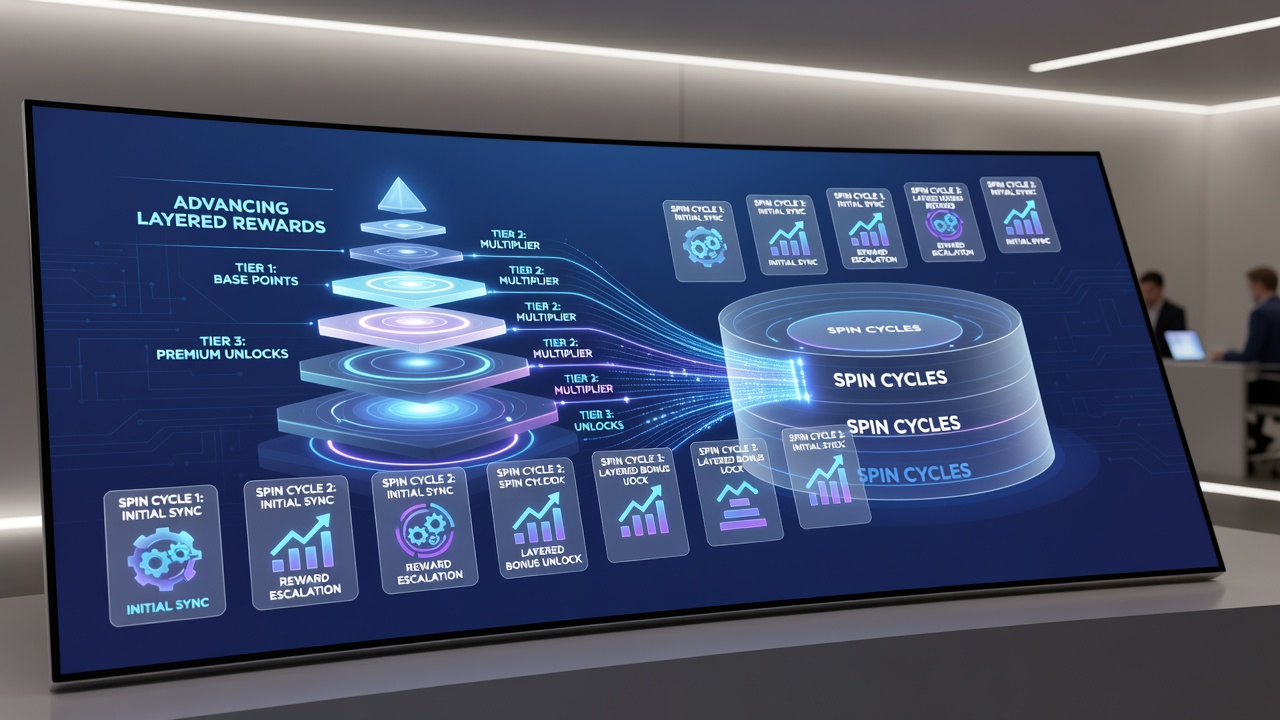
Developers test these systems against regulatory benchmarks issued by bodies such as the Nevada Gaming Control Board. Compliance checks verify that sequence-to-spin mappings remain transparent and auditable. In July 2026, several North American operators plan expanded rollout of these features following successful pilot programs completed earlier in the year.
Technical Infrastructure Supporting Synchronization
Cloud-based ledgers store the sequence and cycle data streams. Distributed servers process the incoming information in parallel, ensuring that reward calculations complete before the next player action registers. Research published through the University of Nevada, Reno gaming laboratory outlines how latency under 50 milliseconds preserves the perception of seamless integration across devices.
Security protocols encrypt the mapped data during transit between modules. This prevents external interference with progression states. Operators also maintain redundant failover systems so that any interruption in one game type does not reset accumulated layers in others.
Regional Adoption Patterns
European markets have seen gradual uptake of these synchronized reward models, while Australian operators report faster integration timelines due to existing centralized reporting requirements. Data released by the Australian Communications and Media Authority shows that platforms employing sequence-to-cycle alignment recorded a 12 percent increase in cross-product play during the first quarter of 2026.
North American jurisdictions continue to evaluate the approach through controlled trials. Regulators examine how the technology affects responsible gaming tools, particularly whether rapid layer advancement influences session duration. Preliminary findings from independent testing labs suggest that clear visual indicators of progression help players track advancement without additional cognitive load.
Conclusion
Card sequence alignment with spin cycles creates a functional bridge between distinct game categories inside unified platforms. The resulting layered reward structures operate through precise data mapping and real-time processing. Continued refinement of these mechanisms depends on ongoing collaboration between developers, operators, and oversight agencies across multiple regions.