24 May 2026
Interconnected Payout Networks: How Transaction Speeds Create Winning Pathways Across Mobile Slots, Live Tables, and Accumulator Markets
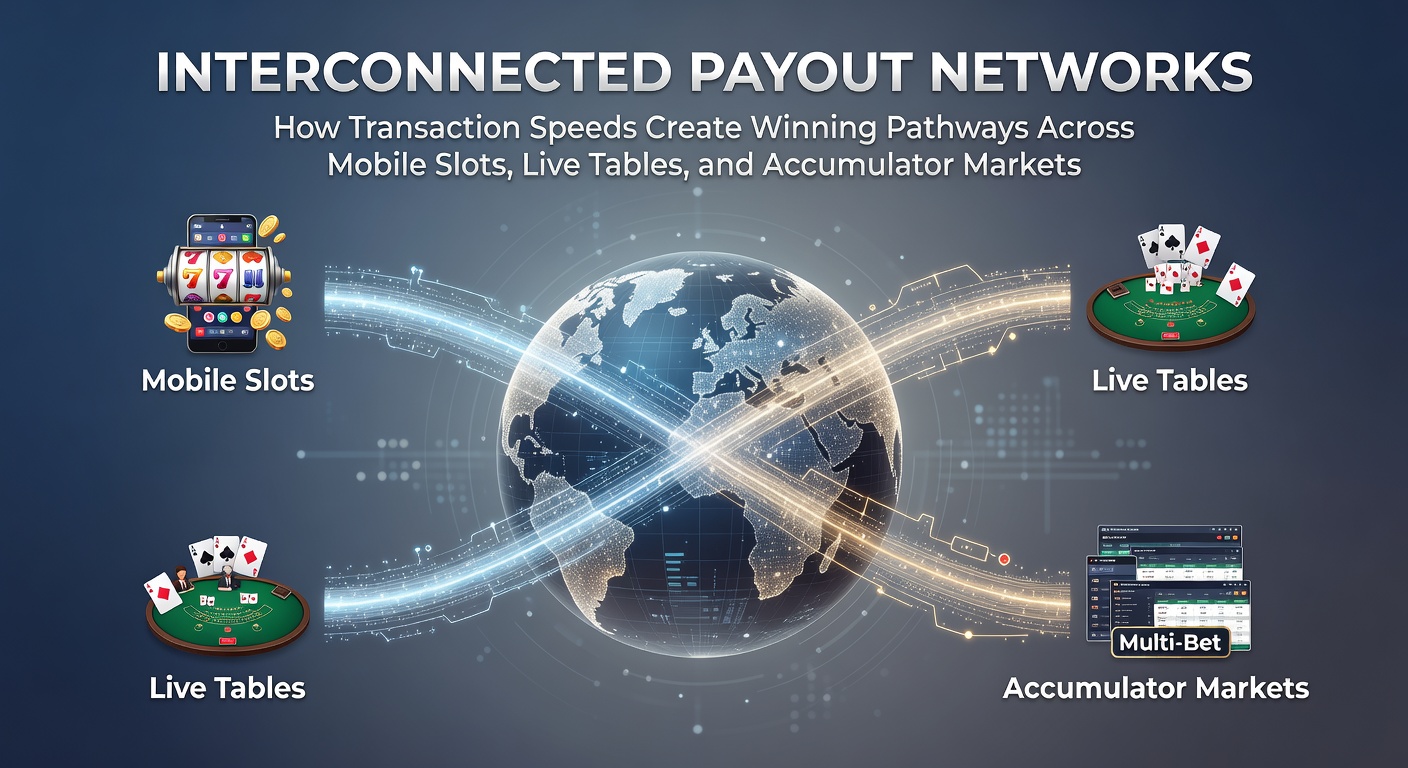
Transaction speeds in digital gaming platforms have evolved into central components that link mobile slots, live dealer tables, and accumulator markets into unified payout systems, where rapid fund movements allow sequential play across categories without traditional delays. Data from industry reports shows that platforms integrating instant payment rails reduce average processing times from minutes to seconds, which in turn supports continuous momentum when users shift between game types during a single session.
Researchers at the International Gaming Institute documented how these networks operate by routing deposits and withdrawals through shared ledgers that communicate across mobile applications, enabling a win from progressive slots to fund a live blackjack table within the same interface. Observers note that accumulator markets in sports betting benefit similarly because bettors can transfer proceeds from table games directly into multi-leg wagers without leaving the app, creating pathways that earlier systems separated by hours or days.
Mechanics of Speed-Driven Connections
Payment processors that partner with gaming operators employ API connections capable of handling real-time verification, which eliminates the lag that once interrupted play sequences. According to figures released by the Nevada Gaming Control Board in early 2026, operators using these processors recorded a 47 percent increase in cross-category session lengths compared with slower legacy systems. The same data indicates that mobile slots initiate most sequences because their short cycle times generate frequent small payouts that users immediately redirect toward live tables offering higher variance.
Live dealer environments rely on the same rails to credit winnings back to user wallets in under ten seconds, allowing participants to move those funds into accumulator bets on soccer or basketball events before odds shift. Studies conducted by the University of Nevada, Las Vegas gaming research group found that this velocity reduces friction points that previously caused players to exit applications between categories, resulting in higher retention metrics across the three verticals.
Case Examples from Platform Implementations
One operator based in Ontario integrated its mobile wallet with both slot providers and live casino suppliers, resulting in documented cases where users completed slot-to-table-to-accumulator chains in under four minutes. Canadian regulatory filings from the Alcohol and Gaming Commission of Ontario confirm that average withdrawal requests processed through these networks cleared in 12 seconds during May 2026 testing periods. Another platform serving Australian users adopted similar architecture and reported that accumulator markets received 31 percent more funding from live table sessions after the upgrade.
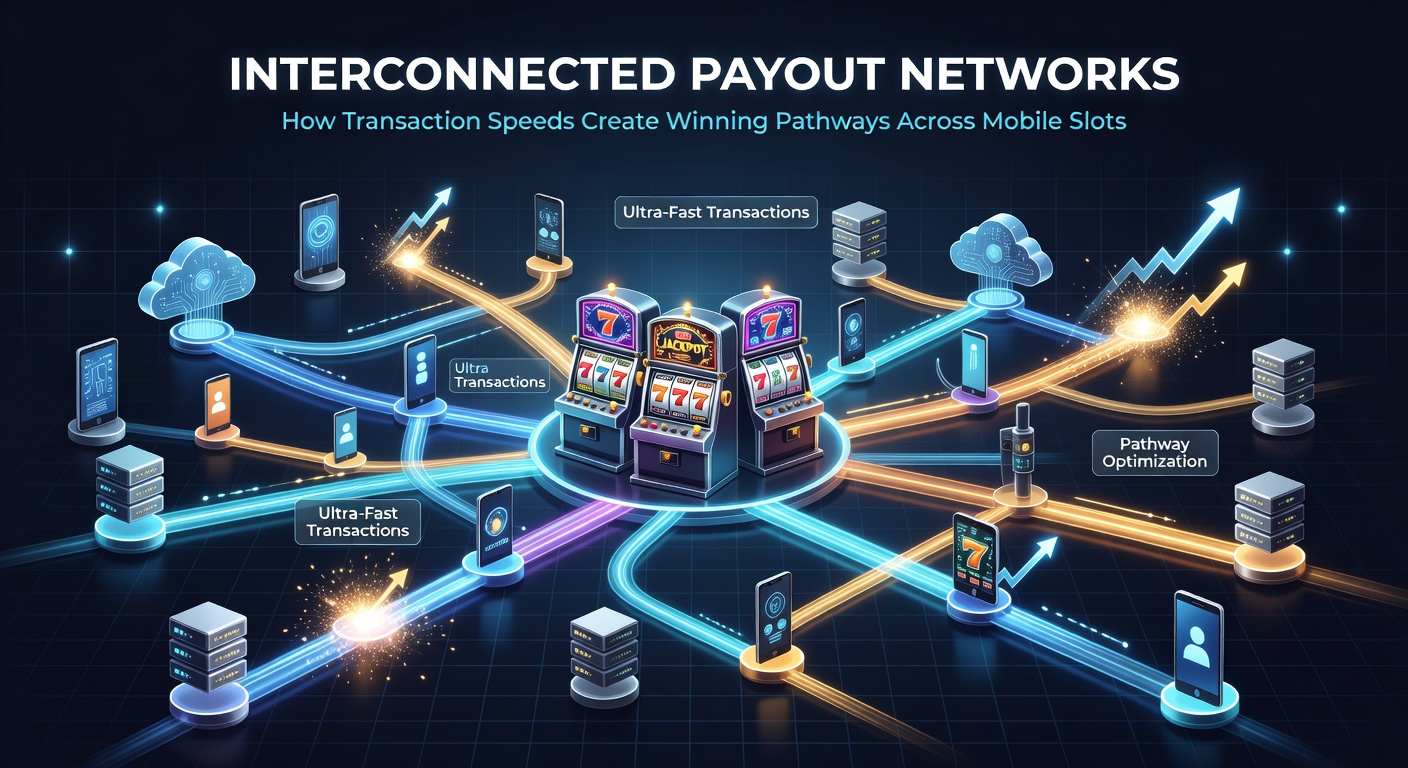
These implementations demonstrate how the underlying ledger technology synchronizes balances across game servers, ensuring that a payout from one vertical appears instantly in the others without manual intervention. Industry associations tracking these developments highlight that such synchronization depends on regulatory approval of the payment partners rather than the games themselves.
Regulatory and Infrastructure Factors
Authorities outside the United Kingdom have established frameworks that accommodate these fast networks while maintaining oversight. The Alcohol and Gaming Commission of Ontario requires operators to maintain separate transaction logs for each game category even when funds move freely between them, which creates auditable trails without slowing user experience. Meanwhile, data compiled by the American Gaming Association shows that U.S. state-licensed platforms adopting comparable systems experienced measurable upticks in multi-vertical engagement during the first quarter of 2026.
Payment infrastructure providers emphasize that security protocols, including tokenization and multi-factor authentication, operate in parallel with speed enhancements rather than in opposition to them. Those protocols allow the networks to scale across thousands of simultaneous sessions while preserving the integrity required by licensing bodies in multiple jurisdictions.
Conclusion
Interconnected payout networks continue to reshape how users navigate mobile slots, live tables, and accumulator markets by compressing the time between winning and reinvestment. Evidence from regulatory filings and academic studies indicates that transaction velocity serves as the primary mechanism enabling these pathways, with measurable effects on session continuity across categories. As infrastructure expands in 2026 and beyond, the same principles are expected to influence additional game types and regional markets where fast, verified transfers receive approval.