Integrated Ledger Technologies Supporting Tiered Incentives in Multi-Game Digital Platforms
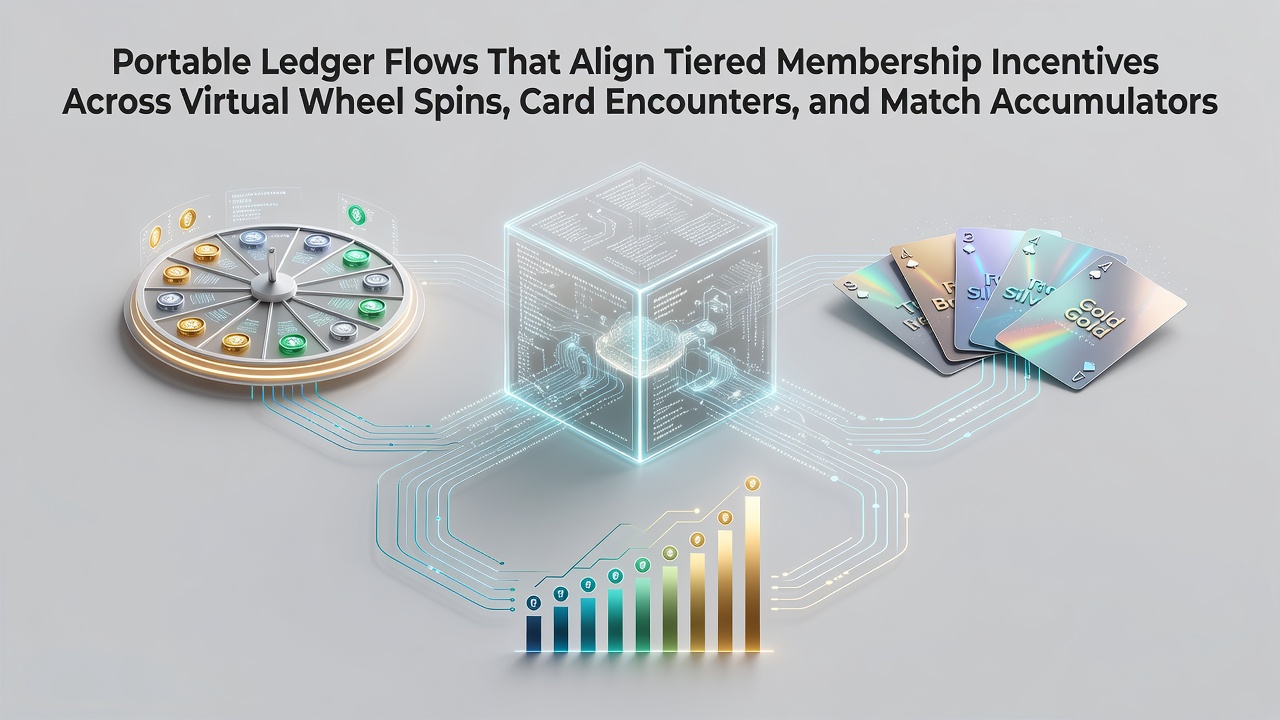
Portable ledger flows operate as synchronized accounting mechanisms that track and align membership incentives across distinct gaming categories including virtual wheel spins, card encounters, and match accumulators. These systems maintain consistent reward progression for users who participate in multiple formats within the same platform ecosystem. Data from industry reports shows that operators deploy such ledgers to consolidate activity logs from slots-style wheel mechanics, table game sessions, and parlay-style sports accumulators into unified member profiles.
Core Mechanics of Portable Ledger Integration
Each transaction in virtual wheel spins registers points or credits that feed directly into a central ledger accessible across other modules. Card encounters contribute through separate event logs that convert to equivalent values based on predefined conversion tables. Match accumulators add further entries when users place combined bets on multiple outcomes. The ledger then applies tier advancement rules uniformly so that progress achieved in one area advances status levels available in all others without requiring separate qualification paths.
Operators configure these flows using modular APIs that pull real-time data from individual game servers. According to research published by the University of Nevada, Reno, such integration reduces fragmentation in loyalty tracking and allows platforms to apply bonus multipliers consistently across categories. The approach relies on timestamped entries and reconciliation protocols that prevent duplicate crediting while maintaining audit trails for regulatory review.
Application Across Gaming Categories
Virtual wheel spins generate high-volume micro-transactions that accumulate rapidly during extended sessions. Card encounters produce fewer but higher-value entries tied to hand outcomes and session duration. Match accumulators contribute through risk-weighted calculations that factor in stake size and odds. Portable ledgers normalize these inputs using weighted algorithms so that equivalent effort yields comparable tier progress regardless of the originating category.
Platforms active in June 2026 have expanded these capabilities to include cross-device synchronization, enabling users to switch between mobile and desktop interfaces while retaining continuous reward tracking. Industry organizations such as the American Gaming Association have documented increased adoption of unified ledgers among operators managing diverse product portfolios.
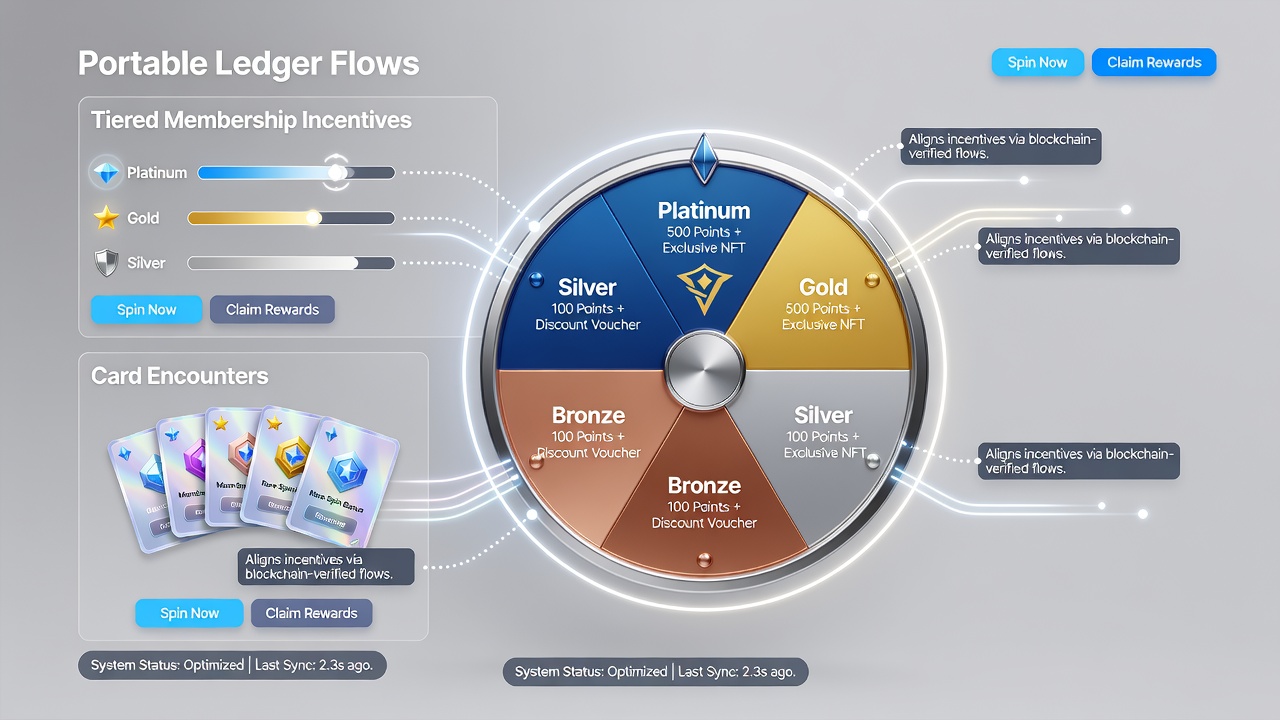
Tiered Membership Structures and Incentive Alignment
Tier advancement typically follows cumulative point thresholds that reset on defined cycles, often monthly or quarterly. Higher tiers unlock enhanced reward rates applicable to all three categories simultaneously. For instance, a user reaching mid-tier status gains accelerated point earnings on wheel spins while also receiving improved payout modifiers during card encounters and accumulator settlements. The ledger enforces these adjustments automatically through rule engines that reference the current membership level at the moment of each transaction.
Observers note that this structure encourages broader participation patterns rather than concentration in single game types. Conversion rates between categories remain fixed within each platform's published terms, allowing users to understand how activity in one area influences overall standing. Regulatory bodies in various jurisdictions require clear disclosure of these conversion mechanisms to maintain transparency in loyalty program operations.
Technical Implementation and Data Handling
Implementation involves distributed ledger components that replicate across server clusters to support low-latency updates. Encryption protocols protect member data during transfer between game modules and the central accounting layer. Backup reconciliation processes run at regular intervals to verify consistency, particularly when handling large volumes of concurrent activity from wheel spins and accumulator settlements.
Platforms report that these systems accommodate seasonal peaks, such as major sporting events that drive increased accumulator usage alongside steady wheel and card activity. The architecture supports scalability without requiring category-specific tier resets, preserving continuity for long-term members.
Conclusion
Portable ledger flows provide the structural foundation for consistent application of tiered incentives across virtual wheel spins, card encounters, and match accumulators. By normalizing contributions from each category into unified profiles, these systems support integrated membership experiences that reflect total platform engagement. Continued refinement of reconciliation protocols and API connectivity sustains their role in multi-product gaming environments through 2026 and beyond.