From Pitch to Felt: How Mobile Transactions Tie Sports Outcomes to Blackjack Progressions in Loyalty Programs
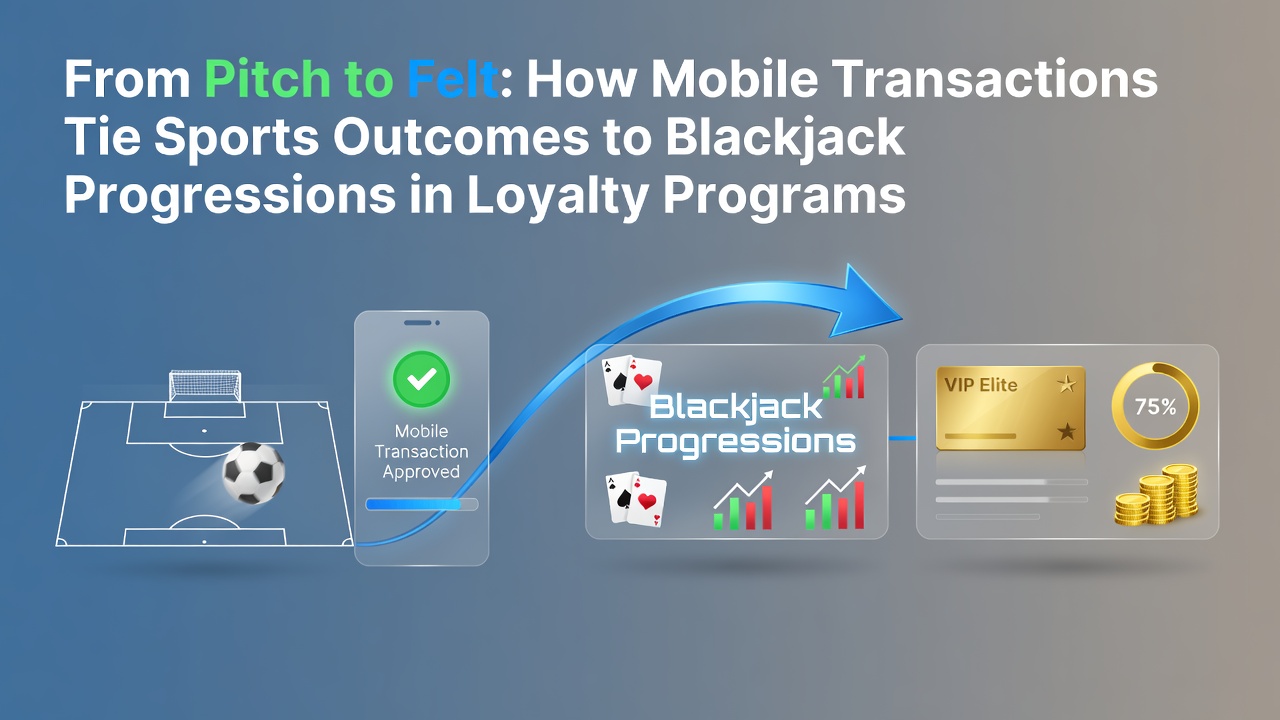
Operators have developed systems where mobile transactions create direct pathways between sports betting results and blackjack progression tracking in unified loyalty frameworks, and these connections rely on real-time payment processing that updates player accounts across both verticals without delays.
Mobile Payments as the Connecting Layer
Payment gateways process deposits and withdrawals in seconds, which allows loyalty engines to register sports outcomes and apply corresponding adjustments to blackjack tier progress immediately after settlement, while operators track these movements through centralized databases that link wagering histories from pitches to felt sessions. Data from industry reports shows that integrated platforms handle millions of such cross-vertical updates each month, and this volume supports tier advancement calculations that factor in both win amounts from sports and hands played at blackjack tables.
Those who manage these systems note that API connections between sportsbook ledgers and table game trackers eliminate the need for separate point submissions, so a successful accumulator on a weekend match can push a player closer to the next blackjack multiplier level without manual intervention from staff.
Loyalty Mechanics Across Vertical Boundaries
Programs award points based on stake volume in sports and theoretical loss in blackjack, then convert those points into progression credits that unlock higher table limits or faster comp accrual, and mobile apps display unified dashboards where users see how one outcome influences the other. Research from the International Gaming Institute at UNLV indicates that such linkages increase session frequency because players receive visible feedback on how sports results affect their blackjack advancement status within the same interface.
Transaction Triggers and Point Conversion
When a sports bet settles, the mobile system triggers an automated scan of the player's loyalty profile, which then applies weighted multipliers to blackjack progression meters if the outcome meets predefined thresholds, while the same process works in reverse when blackjack hands contribute to sports betting bonuses. Operators report that these triggers operate on sub-second latencies, which keeps progression visible to users and reduces drop-off between different game types.
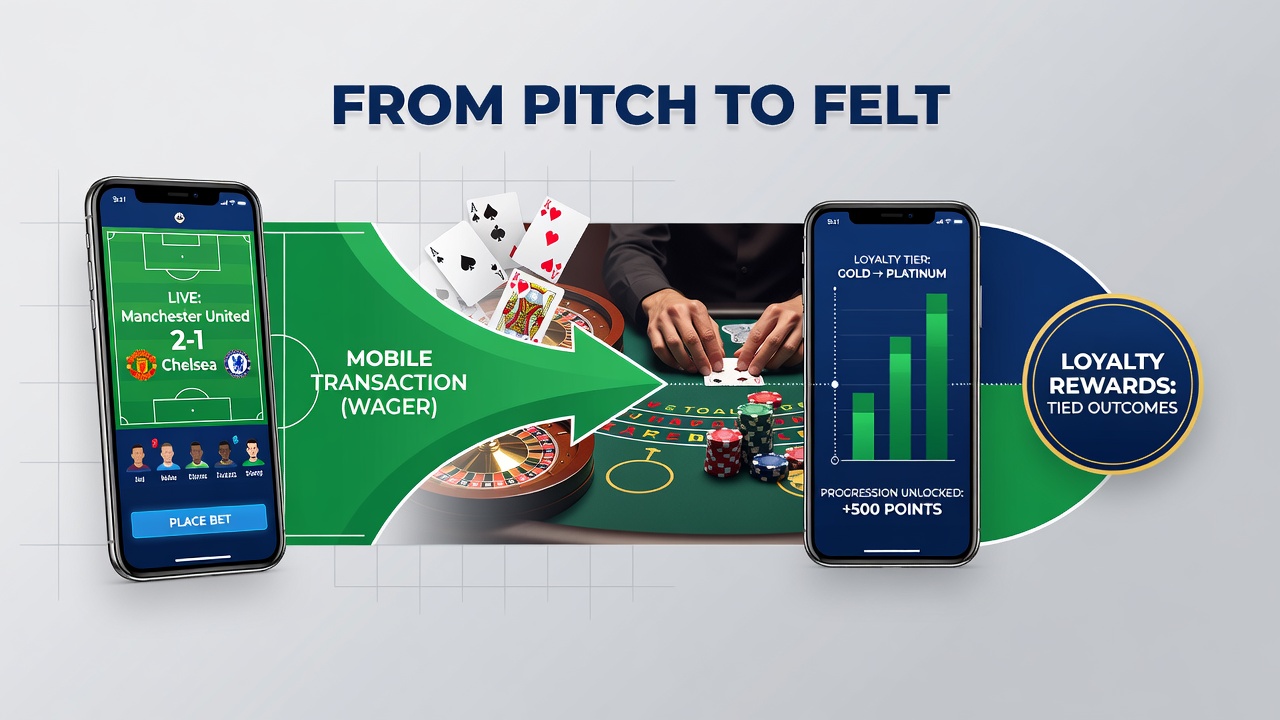
Observers note that July 2026 brought expanded testing of these cross-game mechanics in several markets, where regulators approved additional data-sharing protocols between verticals provided that transaction records remain auditable, and this timing aligned with broader adoption of instant settlement features in mobile wallets.
Real-World Integration Patterns
One operator in North America implemented a system where football season wins automatically feed into a blackjack streak multiplier, and the program recorded a 22 percent rise in combined play volume during the first three months of operation, according to internal metrics shared with industry analysts. Similar structures appear in Australian venues that tie rugby outcomes to table game progressions through the same mobile transaction layer, demonstrating geographic spread of the model.
Those who've examined the data find that the key variable remains transaction speed, because slower processing breaks the perceived connection between a sports result and immediate blackjack advancement, whereas instant updates maintain momentum across both activities.
Regulatory and Operational Considerations
Authorities in multiple jurisdictions require clear separation of funds between sports and table game accounts even when loyalty data merges, which means mobile systems must maintain distinct ledgers while still allowing progression calculations to span both, and compliance teams verify these separations through regular audits of transaction logs. Industry associations have published guidelines that emphasize transparency in how points convert across verticals, ensuring players receive accurate information about the criteria that move them between blackjack tiers.
What's interesting is how these requirements have driven development of more sophisticated reconciliation tools that flag discrepancies within minutes of each transaction batch, reducing the risk of progression errors that could affect player trust.
Conclusion
Mobile transactions now function as the operational backbone that links sports outcomes to blackjack progressions inside loyalty programs, and the resulting systems deliver synchronized updates that reflect activity across both areas. Continued refinement of these connections depends on maintaining transaction reliability and regulatory compliance, which operators achieve through layered verification processes and real-time reporting. Data from established gaming research centers continues to track how these integrations evolve, providing benchmarks that shape future program design without altering the core requirement for auditable financial separation between verticals.